
Orthodontics for Kids and Teens
Raleigh, NC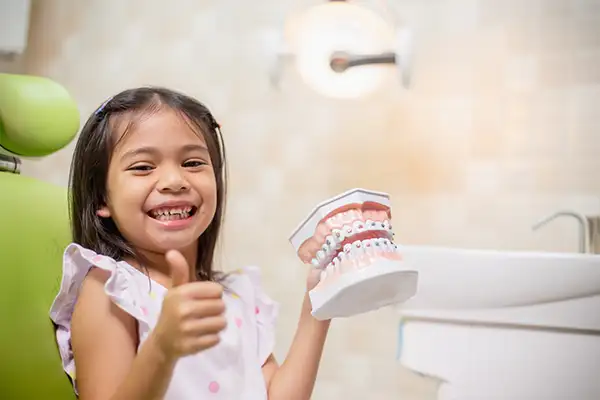
When most people think back on childhood orthodontics, the image is pretty universal: a mouth full of metal brackets, colorful rubber bands, and a few awkward school photos. For generations, metal braces were simply what orthodontic treatment looked like. There was no alternative, no variation, and no discussion to be had. You got braces, you wore them for a few years, and eventually you got them off. That picture has changed considerably. Today, orthodontic care for kids and teens has expanded into a range of approaches that are more comfortable, more discreet, and better matched to each patient's specific needs. If your child is approaching the age when orthodontic treatment might be appropriate, understanding what the process actually involves, and what options are on the table, can help your family make a more informed decision when you come in to see us at Raleigh Family Orthodontics for orthodontic care. What Orthodontics for Kids and Teens Actually AddressesOrthodontic treatment corrects the alignment of teeth and the relationship between the upper and lower jaw. For younger patients, the goal is often twofold: to create a functional, healthy bite and to ensure there is enough space for permanent teeth to come in properly. Common issues orthodontics treats in children and teens include:
Early evaluation matters because the jaw is still developing during childhood. In some cases, beginning treatment before all permanent teeth have erupted allows an orthodontist to guide jaw growth and prevent more serious problems from developing later. The American Association of Orthodontists recommends an initial orthodontic evaluation by age seven, though this does not necessarily mean treatment will begin at that age. Orthodontic Options Available TodayThe days when braces were the only option are long gone. Modern orthodontic treatment gives patients and families more choices about how to approach tooth alignment, and the right option depends on the specific clinical needs of the patient, their age, and their habits and lifestyle. Metal BracesTraditional metal braces remain a strong and effective choice. Today's metal braces are smaller, more comfortable, and more efficient than earlier versions. They are still the chosen option for complex cases involving significant bite issues or jaw discrepancies, and they give the orthodontist the most precise control over tooth movement throughout treatment. Ceramic BracesCeramic braces work the same way as metal braces but use tooth-colored or clear brackets that blend with the teeth. They are less noticeable than metal braces and are often preferred by older teens who are more self-conscious about their appearance. They do require a bit more care to avoid staining, particularly for patients who drink a lot of coffee, tea, or dark-colored beverages. Clear AlignersClear aligner systems, such as Invisalign, use a series of custom-made, removable trays to gradually shift teeth into the correct position. These have become increasingly popular among teens because they are nearly invisible and can be taken out for meals and brushing. Invisalign Teen includes features designed specifically for younger patients, including compliance indicators and replacement aligners to account for any that get lost. Clear aligners work best for mild to moderate cases, and the treatment requires consistent wear, typically 20 to 22 hours per day, to be effective. Palatal ExpandersPalatal expanders are a different category of orthodontic device used to widen the upper jaw, creating space for crowded teeth or correcting a crossbite. These are most effective when used during childhood, while the jaw is still growing and more responsive to this kind of guidance. How Long Does Orthodontic Treatment Take?Treatment length depends on the complexity of the case, the age of the patient, and how well the patient follows care instructions. Most orthodontic treatment for kids and teens falls somewhere in the range of 12 to 24 months, though some cases may be shorter or longer. For patients who begin with early interceptive treatment, there is often a phase of treatment during childhood followed by a second phase once all permanent teeth have come in. The goal of early treatment is not always to complete everything at once but to create better conditions for final treatment later. Consistent care throughout treatment makes a significant difference. Broken brackets, missed appointments, and inconsistent aligner wear can all add time to the process. Will Your Child Need Orthodontics Again as an Adult?This is a question many parents do not think to ask, but it is worth considering. Orthodontic results are not always permanent on their own. After active treatment ends, retainers are typically prescribed to hold teeth in their new positions. Without consistent retainer use, teeth have a natural tendency to shift over time. Some people who completed orthodontic treatment as children find that their teeth have shifted in adulthood, particularly if retainer use was inconsistent. Minor relapse is common and does not always require full retreatment. However, adults who are bothered by shifting teeth do have options, including clear aligners designed for adult patients and shorter-duration treatment plans for mild cases. Encouraging your child to take retainer use seriously after treatment is one of the best ways to protect the long-term results of orthodontic care. Ready to Explore Orthodontic Options for Your Child?
If you have been wondering whether your child might benefit from orthodontic treatment, there is no better time to find out. We welcome families with children and teens who are considering orthodontic care. Our team will evaluate your child's bite, jaw development, and tooth alignment and walk you through any treatment options that may be appropriate. Contact Raleigh Family Orthodontics today at (984) 254-0585 to schedule a consultation and take the first step toward a healthier, well-aligned smile for your child. |
Follow Us |
