Fixing Your Closed Bite
Posted on 8/15/2026 by Raleigh Family Orthodontics |
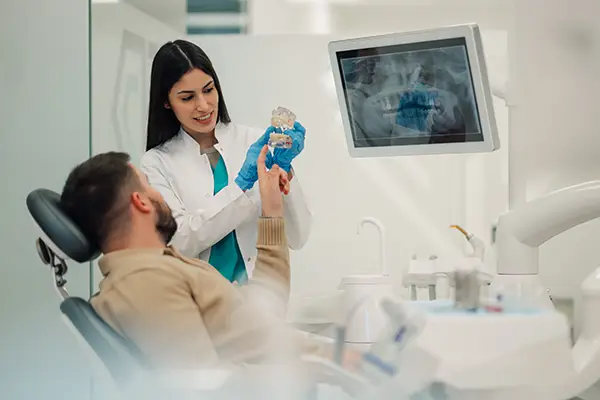 Have you ever noticed that your top teeth completely cover your bottom teeth when you bite down? This condition, known as a closed bite (sometimes called a deep bite), is more than just an aesthetic concern. It can lead to various oral health problems if left unaddressed. Let's explore what a closed bite is, its potential causes, and how it can be corrected. Have you ever noticed that your top teeth completely cover your bottom teeth when you bite down? This condition, known as a closed bite (sometimes called a deep bite), is more than just an aesthetic concern. It can lead to various oral health problems if left unaddressed. Let's explore what a closed bite is, its potential causes, and how it can be corrected.
Understanding Closed Bites
A closed bite occurs when the upper front teeth excessively overlap the lower front teeth. Ideally, there should be a slight overlap, allowing for proper chewing and jaw function. However, in a closed bite, this overlap is significantly increased, sometimes completely hiding the lower teeth. This can place undue stress on the teeth, jaw joints, and surrounding tissues.
What Causes a Closed Bite?
Several factors can contribute to the development of a closed bite. Genetics often plays a significant role, meaning you might inherit the tendency for this type of bite from your parents. Other potential causes include:
| • |
Habits: Childhood habits like thumb sucking or prolonged pacifier use can affect jaw development and contribute to a closed bite. |
| • |
Tooth Loss: Losing back teeth can cause the front teeth to overerupt, leading to a deeper bite. |
| • |
Grinding or Clenching: Chronic teeth grinding (bruxism) or clenching can wear down the back teeth, causing the front teeth to sink further down and create a closed bite. |
| • |
Skeletal Issues: Sometimes, the underlying bone structure of the jaws contributes to the problem. |
The Impact of a Closed Bite on Oral Health
A closed bite can have several negative impacts on your oral health and overall well-being:
| • |
Increased Tooth Wear: The excessive overlap can cause the lower front teeth to rub against the back of the upper front teeth, leading to enamel erosion and increased sensitivity. |
| • |
Jaw Pain and TMJ Issues: The misalignment can strain the temporomandibular joints (TMJ), which connect your jaw to your skull, leading to pain, clicking, and popping in the jaw. |
| • |
Gum Problems: A closed bite can make it difficult to properly clean your teeth and gums, increasing the risk of gum disease (gingivitis and periodontitis). |
| • |
Difficulty Chewing: In severe cases, a closed bite can interfere with proper chewing function, potentially impacting digestion. |
| • |
Aesthetic Concerns: Some individuals may feel self-conscious about the appearance of their smile due to the excessive overlap. |
Treatment Options for a Closed Bite
Fortunately, there are several effective treatment options available to correct a closed bite. The best approach will depend on the severity of the bite and the underlying cause. Some common treatment options include:
| • |
Orthodontic Treatment: Braces or clear aligners can be used to gradually move the teeth into a more ideal position, correcting the overlap and improving the bite. |
| • |
Restoration Dentistry: In some cases, restoring worn-down back teeth with crowns or onlays can help to open the bite and reduce the overlap. |
| • |
Jaw Surgery: In severe cases, where the skeletal structure is the primary cause, jaw surgery may be necessary to reposition the jaws and correct the bite. |
| • |
Night Guards: If teeth grinding or clenching is a contributing factor, a night guard can help protect the teeth from further wear and tear. |
Maintaining Optimal Oral Care
Regardless of the treatment approach, maintaining excellent oral care is essential for long-term success. This includes brushing twice a day, flossing daily, and attending regular dental checkups. Your dentist can monitor your progress, provide personalized oral hygiene instructions, and address any potential issues that may arise.
Correcting a closed bite can significantly improve your oral health, comfort, and confidence. If you suspect you have a closed bite, it is important to consult with a qualified dental professional for a thorough evaluation and personalized treatment plan.
|
|