

How Do Braces Work?
Raleigh, NC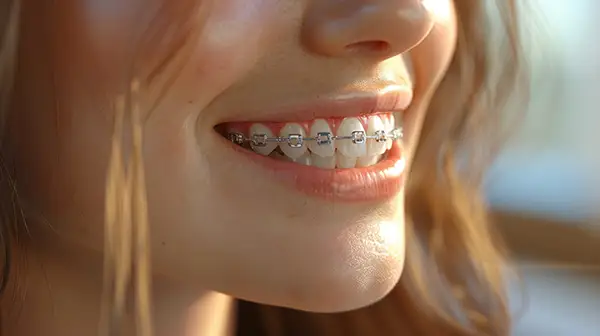 Have you ever wondered how a simple set of brackets and wires can completely transform your smile? Orthodontic treatment might seem mysterious, but the science behind braces is both fascinating and straightforward. Whether you're considering traditional braces or clear aligners, understanding how these appliances work can help you feel confident about taking the next step toward a healthier, more beautiful smile. Have you ever wondered how a simple set of brackets and wires can completely transform your smile? Orthodontic treatment might seem mysterious, but the science behind braces is both fascinating and straightforward. Whether you're considering traditional braces or clear aligners, understanding how these appliances work can help you feel confident about taking the next step toward a healthier, more beautiful smile.The Science Of Tooth MovementYour teeth might seem firmly anchored in your jaw, but they're actually designed to move throughout your life. Each tooth sits in a socket within the jawbone, held in place by the periodontal ligament, a thin layer of connective tissue that acts like a hammock. When braces apply gentle, consistent pressure to your teeth, this ligament compresses on one side and stretches on the other. Your body responds by breaking down bone on the compressed side and building new bone on the stretched side, allowing your teeth to gradually shift into their ideal positions. This biological process, called bone remodeling, happens naturally throughout your life but can be guided and controlled with orthodontic appliances. Traditional braces use brackets bonded to your teeth and connected by wires that apply precise pressure. As your orthodontist adjusts these wires during regular appointments, they fine-tune the direction and amount of force, guiding each tooth exactly where it needs to go. How Traditional Braces And Clear Aligners DifferTraditional metal braces remain the most common orthodontic treatment, using small brackets attached to each tooth and connected by an archwire. The wire's shape memory allows it to gradually return to its original form, pulling your teeth along with it. Your orthodontist can also add elastic bands, springs, or other components to address specific alignment issues like correcting your bite or closing gaps between teeth. Clear aligners work on the same biological principle but use a different approach. Instead of fixed brackets and wires, you'll receive a series of custom-made, transparent plastic trays that fit snugly over your teeth. Each aligner in the series creates slightly different pressure points, moving your teeth incrementally. You'll switch to a new aligner every one to two weeks, with each tray bringing you closer to your final result. While clear aligners offer a nearly invisible option, they require discipline to wear them 20 to 22 hours daily for effective results. What To Expect During TreatmentTreatment timelines vary based on the complexity of your case, but most patients wear braces for 18 to 24 months. Some minor corrections might only require 12 months, while more complex cases involving significant bite issues could extend to 36 months. Your orthodontist will provide a personalized treatment estimate during your initial consultation. During your treatment, you'll visit the office every four to eight weeks for adjustments. These appointments allow your orthodontist to monitor your progress, change wires or elastics, and ensure your teeth are moving according to plan. You might experience mild soreness for a day or two after adjustments as your teeth respond to the new pressure, but over-the-counter pain relievers and soft foods can help you stay comfortable. Patients with clear aligners typically need fewer office visits since they progress through aligners at home, but regular check-ins every six to eight weeks ensure treatment stays on track. Maintaining Oral Hygiene With BracesKeeping your teeth clean during orthodontic treatment requires extra attention but doesn't have to be difficult. With traditional braces, food particles and plaque can accumulate around brackets and under wires, making thorough brushing essential. Use a soft-bristled toothbrush at a 45-degree angle to clean around each bracket, spending at least two minutes twice daily. An interdental brush or floss threader helps you clean between teeth and under the archwire. Consider adding a water flosser to your routine for an extra level of cleanliness. This device uses a stream of pulsating water to remove debris from hard-to-reach areas around your braces. Regular fluoride rinses can also help strengthen enamel and prevent white spots that sometimes develop when oral hygiene isn't maintained consistently. Clear aligner patients have an easier time with oral hygiene since they can remove their trays for brushing and flossing. However, it's crucial to brush your teeth after every meal before reinserting your aligners to prevent trapping food particles and bacteria against your teeth. The Importance Of Retainers After TreatmentOnce your braces come off and you see your transformed smile, the work isn't quite finished. Your teeth will naturally want to shift back toward their original positions, a process called relapse. Retainers prevent this by holding your teeth in their new locations while the surrounding bone and tissue stabilize. Most patients wear their retainers full-time (except when eating and brushing) for the first three to six months after their braces are removed. After this initial period, many people transition to wearing retainers only at night. Sometimes a thin wire is bonded to the back of your front teeth as a permanent retainer for added security. Think of retainers as the final step that protects your investment. Wearing them as prescribed ensures your beautiful results last a lifetime rather than gradually fading over the years. Additional Factors That Influence Orthodontic TreatmentSeveral factors beyond the appliances themselves affect how quickly and effectively your teeth move. Your age plays a role, as younger patients often see faster results due to more active bone remodeling, but adults can achieve excellent outcomes with orthodontic treatment at any age. Consistently following your orthodontist's instructions, including wearing rubber bands as prescribed and avoiding foods that could damage your braces, significantly impacts your timeline. Your body's individual biology also matters. Some people naturally experience faster tooth movement, while others need more time for their teeth to shift. Regular dental check-ups and professional cleanings during treatment help ensure your teeth and gums stay healthy, supporting optimal movement. Experience The Transformation At Our PracticeUnderstanding how braces work reveals that orthodontic treatment is a natural, predictable process that harnesses your body's own ability to reshape and adapt. Whether you choose traditional braces or clear aligners, you're embarking on a journey supported by proven science and modern technology. Our experienced team will guide you through every step, from your initial consultation through the day you see your final results. Ready to discover what orthodontic treatment can do for your smile? Contact Raleigh Family Orthodontics today at (984) 254-0585 to schedule a consultation and take the first step toward the confident smile you deserve. |
Follow Us |
