

All About Braces
Raleigh, NC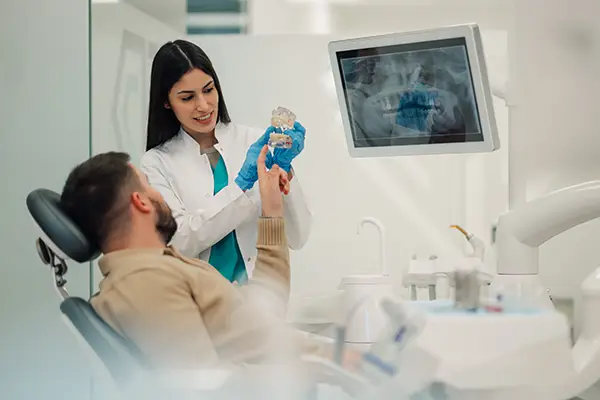 Many people associate braces with childhood, but orthodontic care plays an important role for patients of all ages. Whether you have a teen beginning treatment or you are considering straightening your own smile, braces remain one of the most trusted solutions for improving alignment and enhancing oral health. At Raleigh Family Orthodontics patients receive modern, comfortable options that go far beyond the bulky metal braces many remember from years ago. Today's braces are more streamlined, more efficient, and offered in materials designed to match each patient's lifestyle and needs. Many people associate braces with childhood, but orthodontic care plays an important role for patients of all ages. Whether you have a teen beginning treatment or you are considering straightening your own smile, braces remain one of the most trusted solutions for improving alignment and enhancing oral health. At Raleigh Family Orthodontics patients receive modern, comfortable options that go far beyond the bulky metal braces many remember from years ago. Today's braces are more streamlined, more efficient, and offered in materials designed to match each patient's lifestyle and needs.What Are Braces Used For?Braces are orthodontic appliances used to correct problems such as crowding, spacing, bite issues, and general misalignment. These issues can develop for several reasons, including genetics, habits during childhood, injury, or natural changes in the mouth over time. The purpose of braces is to gently guide the teeth and jaw into healthier, better-functioning positions. This not only improves the look of your smile, but also contributes to improved oral hygiene and long-term dental wellness. Why Tooth Alignment MattersStraightening your teeth is about more than appearance. When teeth are crowded or crooked, it becomes more difficult to clean between them effectively. Even with excellent brushing and flossing habits, plaque can accumulate in tight spaces, increasing the likelihood of cavities and gum inflammation. A properly aligned bite also helps the teeth function comfortably and reduces stress on the jaw joints. When everything fits together as it should, everyday actions such as chewing, smiling, and speaking feel more natural and comfortable. Aligned teeth can also help prevent uneven wear, which can occur when certain teeth absorb more pressure than others during biting. Over time, this can lead to sensitivity or damage. By improving alignment, braces ensure each tooth carries its share of the workload, supporting healthier, longer-lasting oral function. How Braces WorkBraces apply gentle, continuous pressure that slowly shifts the teeth into new positions. Although the process moves at a steady pace, it occurs very gradually to protect the teeth and surrounding bone. Traditional braces consist of three main components: brackets, wires, and elastics. Brackets are bonded to the surface of each tooth, archwires connect the brackets, and elastics hold everything in place while guiding the movement of the teeth. Over time, as the orthodontist makes small adjustments to the wires, the teeth respond by moving in a controlled direction. This is why periodic visits during treatment are important. Each adjustment keeps you progressing steadily toward your ideal alignment. Treatment length varies from person to person, depending on factors such as the type of misalignment and how the teeth respond to movement. Types of Braces Available TodayPatients today enjoy far more choices than in the past. Braces come in a variety of materials and designs, allowing individuals to choose what fits their comfort level, appearance goals, and lifestyle. Metal BracesMetal braces are the most recognized type, and modern versions have come a long way. They are smaller, smoother, and more comfortable than ever before. Their durability and effectiveness make them a popular choice for children, teens, and adults. Many younger patients enjoy selecting colorful elastics to personalize their braces at each visit. Ceramic BracesCeramic braces function the same way metal braces do, but the brackets are made from tooth-colored materials that blend in with your smile. They are a great option for teens and adults who want a more discreet look while still benefiting from traditional orthodontic mechanics. Because they are less noticeable, ceramic braces can offer cosmetic advantages without sacrificing performance. Self-Ligating BracesSelf-ligating braces use specialized brackets that do not require traditional elastic ties. Instead, the brackets have built-in clips that hold the wire in place. This design may reduce friction and can be helpful in certain treatment plans. Many patients also appreciate that these brackets can be easier to keep clean because they lack the additional elastics that typically attract plaque. Clear AlignersWhile not technically "braces," clear aligners are another orthodontic option that straightens teeth using a series of removable trays. They are nearly invisible and convenient for people who prefer a treatment option with no brackets or wires. However, they are not the ideal solution for everyone, particularly for complex orthodontic needs. Braces often remain the most effective method for predictable movement in more difficult cases. The Step-By-Step ProcessBeginning orthodontic treatment typically starts with a thorough exam and digital imaging. This allows your orthodontist to evaluate how the teeth and jaw fit together. After reviewing the findings, the orthodontist develops a personalized treatment plan that outlines the exact adjustments needed. Once braces are placed, you will return for regular checkups to monitor progress and make any necessary adjustments. These visits are quick and comfortable, and they play an essential role in achieving the desired result. Throughout treatment, good oral hygiene is especially important. Brushing carefully around brackets, using floss threaders or interdental cleaners, and following your orthodontist's recommendations help keep your teeth healthy and your treatment on track. As treatment progresses, you will notice your smile gradually becoming straighter and more balanced. When it is time for the braces to be removed, you will be fitted for a retainer. Retainers help maintain your new alignment by preventing the teeth from shifting back to their old positions. Wearing your retainer as directed is the key to preserving the beautiful results you worked hard to achieve. How Straight Teeth Support Better Oral HealthAligned teeth are much easier to keep clean because there are fewer tight or awkward spaces where food and plaque can collect. This lowers the risk of cavities and supports healthier gums. A balanced bite also encourages even pressure distribution, minimizing unnecessary wear and reducing the likelihood of discomfort in the jaw joints. Beyond oral health, straighter teeth often make everyday tasks such as biting into food or speaking clearly more comfortable. Many patients also feel more confident smiling and laughing, which can have a positive effect on social interactions and overall well-being. Discover Your Best SmileIf you have been considering braces for yourself or your child, there has never been a better time to explore your options. Today's orthodontic treatments are more advanced, more comfortable, and more customizable than ever before. Whether you are interested in traditional braces, ceramic braces, or a more discreet alternative, our team at Raleigh Family Orthodontics is here to help you achieve a healthier, more confident smile. Schedule a visit today by calling (984) 254-0585 to learn which orthodontic solution is right for you. A straighter smile starts with a single step, and Raleigh Family Orthodontics is ready to guide you along the way. |
Follow Us |
